
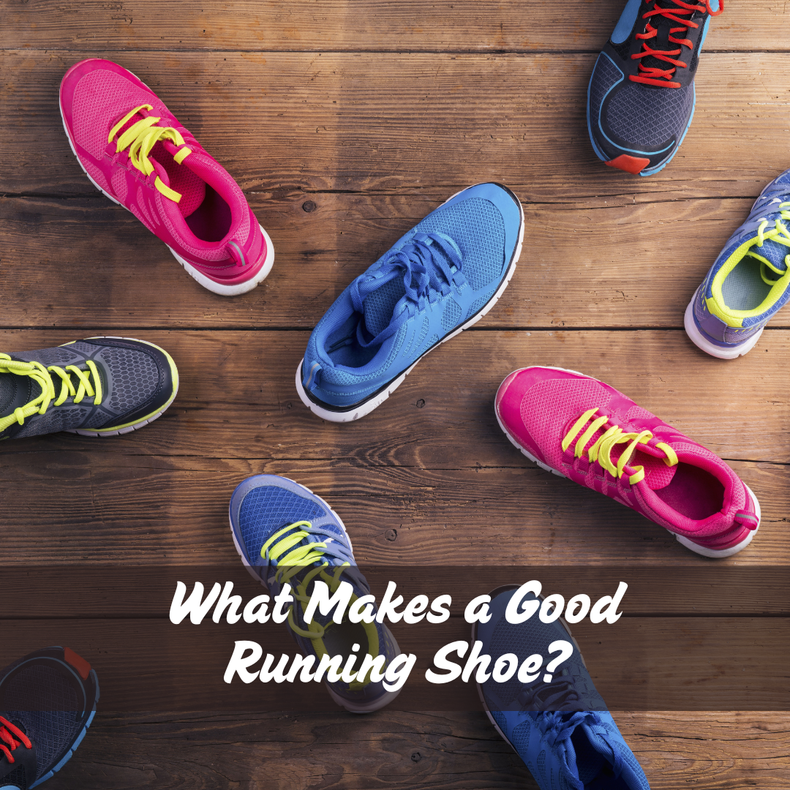
Finding the perfect running shoe can feel like an endless quest. With so many options on the market, it's tough to know what to look for. Whether you're pounding the pavement, hitting the trails, or running cross country, the right shoe can make all the difference. Let’s break down what makes a good running shoe and how to choose the best pair for your needs.
Understanding Your Running Surface
The surface you run on plays a crucial role in determining the type of shoe you need. Running on concrete is vastly different from running cross country, and each requires specific features in a shoe.
Running on Concrete
Concrete is one of the hardest surfaces to run on. Therefore, good running shoes for concrete need excellent cushioning. This cushioning helps absorb the impact and reduce the strain on your joints. Look for shoes with:
- Thick midsoles: These provide extra padding.
- Durable outsoles: To withstand the hard surface.
- Good arch support: To help with stability and reduce overpronation.
Running Cross Country
Cross country running involves varied terrain. You might encounter grass, mud, gravel, and even streams. Good shoes for running cross country need to be versatile and durable. Key features to look for include:
- Aggressive tread patterns: For better grip on uneven surfaces.
- Water-resistant materials: To keep your feet dry.
- Lightweight design: So you're not weighed down.
Key Features of Good Running Shoes
Cushioning
Cushioning is essential for comfort and shock absorption. The right amount of cushioning depends on your personal preference and running style. Some runners prefer a lot of cushioning for a plush feel, while others like minimal cushioning for a more natural stride.
Fit and Size
A good running shoe should fit well and feel comfortable right out of the box. Here are some tips for finding the right fit:
- Toe room: Ensure there's enough space to wiggle your toes.
- Heel fit: Your heel should fit snugly without slipping.
- Width: The shoe should be wide enough to accommodate the shape of your foot without squeezing.
Stability and Support
Stability is crucial, especially if you have issues with overpronation or supination. Stability features to look for include:
- Arch support: Helps maintain your foot's natural alignment.
- Heel counter: A firm heel counter can provide additional support.
- Midfoot support: Some shoes have a midfoot shank to enhance stability.
Breathability
Breathability is essential to keep your feet cool and dry. Look for shoes with mesh uppers or other breathable materials to allow for better airflow.
Durability
Running shoes take a beating, so durability is a must. High-quality materials and construction can help your shoes last longer, saving you money in the long run.
Different Types of Running Shoes
Road Running Shoes
Road running shoes are designed for pavement and occasional forays onto packed surfaces. They are light and flexible, made to cushion and stabilise feet during repetitive strides on hard, even surfaces.
Trail Running Shoes
Trail running shoes are built for off-road routes with rocks, mud, roots, or other obstacles. They offer deeper lugs for solid traction and underfoot protection.
Cross Country Shoes
Cross country shoes are designed specifically for cross country running. They often feature aggressive tread patterns and are built to handle a variety of terrains, from grass to mud.
Minimalist Shoes
Minimalist shoes are designed to provide minimal interference with the natural movement of your foot. They have little to no arch support and very thin soles.
Maintenance Tips for Running Shoes
To get the most out of your running shoes, proper maintenance is key. Here are some tips:
- Rotate your shoes: If you run frequently, having multiple pairs can extend the life of each pair.
- Air them out: After a run, remove the insoles and let your shoes air out to prevent odour and bacteria build-up.
- Clean them regularly: Remove dirt and mud to keep the shoes in good condition.
- Replace them as needed: Most running shoes last between 300-500 miles. Pay attention to signs of wear and replace them when necessary.
Conclusion
Finding the perfect running shoe might take some time and effort, but it's worth it. The right shoe can prevent injuries, improve your performance, and make your runs more enjoyable. By understanding the key features and considering your unique needs, you can find a pair that’s just right for you. Happy running!