
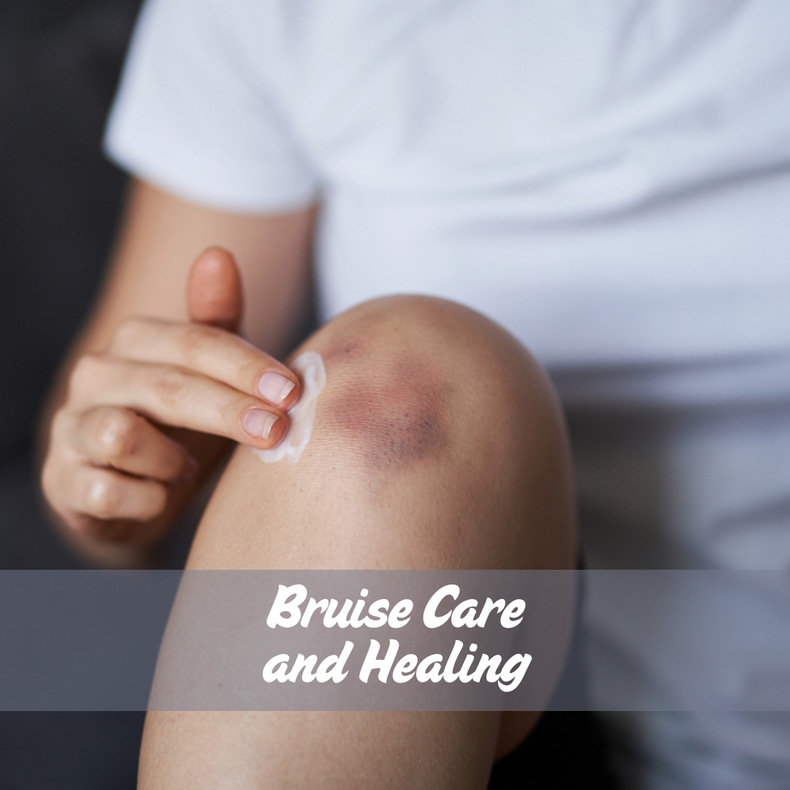
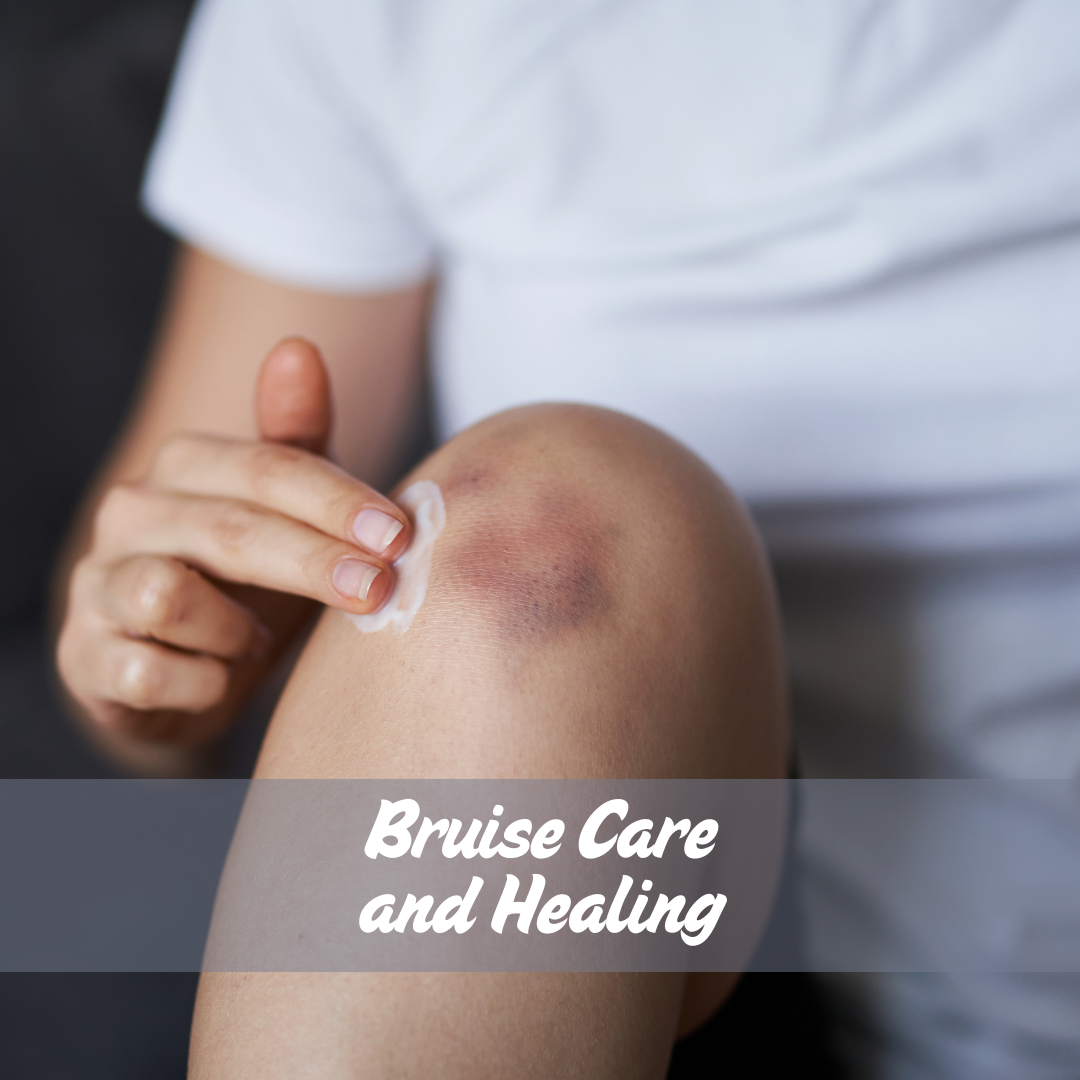
Bruises are a common occurrence that can result from bumps, falls, or other minor injuries. While bruises are usually not a cause for serious concern, proper care can help speed up the healing process and reduce discomfort. In this article, we’ll provide you with some practical tips for effective bruise care and healing.
Understanding Bruises
Before diving into the tips, it's important to understand what a bruise is. A bruise, also known as a contusion, occurs when small blood vessels under the skin break, causing blood to leak into the surrounding tissues. This results in a visible mark that can range in colour from red and purple to blue or black.
Stages of Bruise Healing
Bruises go through several stages of healing, each marked by different colours:
- Red or Purple: Immediately after the injury, the bruise appears red or purple due to the fresh blood pooling under the skin.
- Blue or Dark Purple: Within a day or two, the bruise turns blue or dark purple as the blood begins to break down.
- Green: After a few days, the bruise may turn green as the hemoglobin in the blood breaks down further.
- Yellow or Brown: Finally, the bruise turns yellow or brown as the body reabsorbs the blood. This is the last stage before the bruise completely fades.
Immediate Care for Bruises
Apply Ice
One of the first steps in caring for a bruise is to apply
ice. Place an ice pack or a bag of frozen vegetables wrapped in a cloth on the
affected area for 10-20 minutes. This helps reduce swelling and numbs the area,
providing pain relief. Repeat this process several times a day for the first 48
hours.
Elevate the Area
If possible, elevate the bruised area above the level of
your heart. This helps reduce blood flow to the area, which can minimize
swelling and discoloration.
Rest
Resting the bruised area is crucial for proper healing.
Avoid strenuous activities that could worsen the bruise or cause further
injury.
Ongoing Bruise Care
Use Warm Compresses
After the first 48 hours, switch from ice packs to warm
compresses. Apply a warm cloth or heating pad to the bruise for 10-20 minutes
several times a day. This helps improve blood flow to the area, promoting
faster healing.
Over-the-Counter Pain Relief
Over-the-counter pain relievers such as acetaminophen
(Tylenol) or ibuprofen (Advil) can help alleviate pain and reduce inflammation.
Follow the dosage instructions on the package and consult your doctor if you
have any concerns.
Arnica Cream
Arnica is a homeopathic remedy known for its
anti-inflammatory properties. Applying arnica cream to the bruise may
help reduce swelling and speed up the healing process. Our Everyday Herbal Massage contains arnica as well as our Herbal Massage Extra, which has 50% more arnica!
Conclusion
Bruises are a common part of life, but with the right care, you can help them heal faster and with less discomfort. By following these tips for effective bruise care and healing, you’ll be back to feeling your best in no time. Remember to consult a doctor if you have any concerns about your bruises or if they don’t heal as expected.
By understanding how to properly care for bruises and taking steps to prevent them, you can minimise their impact and ensure a quicker recovery.